
Prioritize emotional milestones
Beyond stage walking, capture cap-and-gown prep, school details, senior portraits, parent reactions, teacher interactions, diploma handoff, and short student reflections. A graduation film should feel like a transition, not only a record of names being called.
For families, the most valuable moments are often small: a parent fixing the cap, a sibling cheering, or a graduate finding family after the ceremony. For schools, the value is preserving the scale and pride of the event.
Build a simple shot list
Create a sequence with opening atmosphere, campus or venue exteriors, processional, speakers, student moments, diploma walks, crowd reactions, cap toss, and family portraits for a complete story arc.
If speeches are important, plan clean audio from the house system or a dedicated recorder. A beautiful recap loses impact when the main speaker audio is hard to understand.
Interview prompts
Ask graduates what they are proud of, who helped them, what they will miss, and what comes next. Keep answers short so the final edit feels emotional without becoming a long documentary.
Plan for crowd flow and delivery
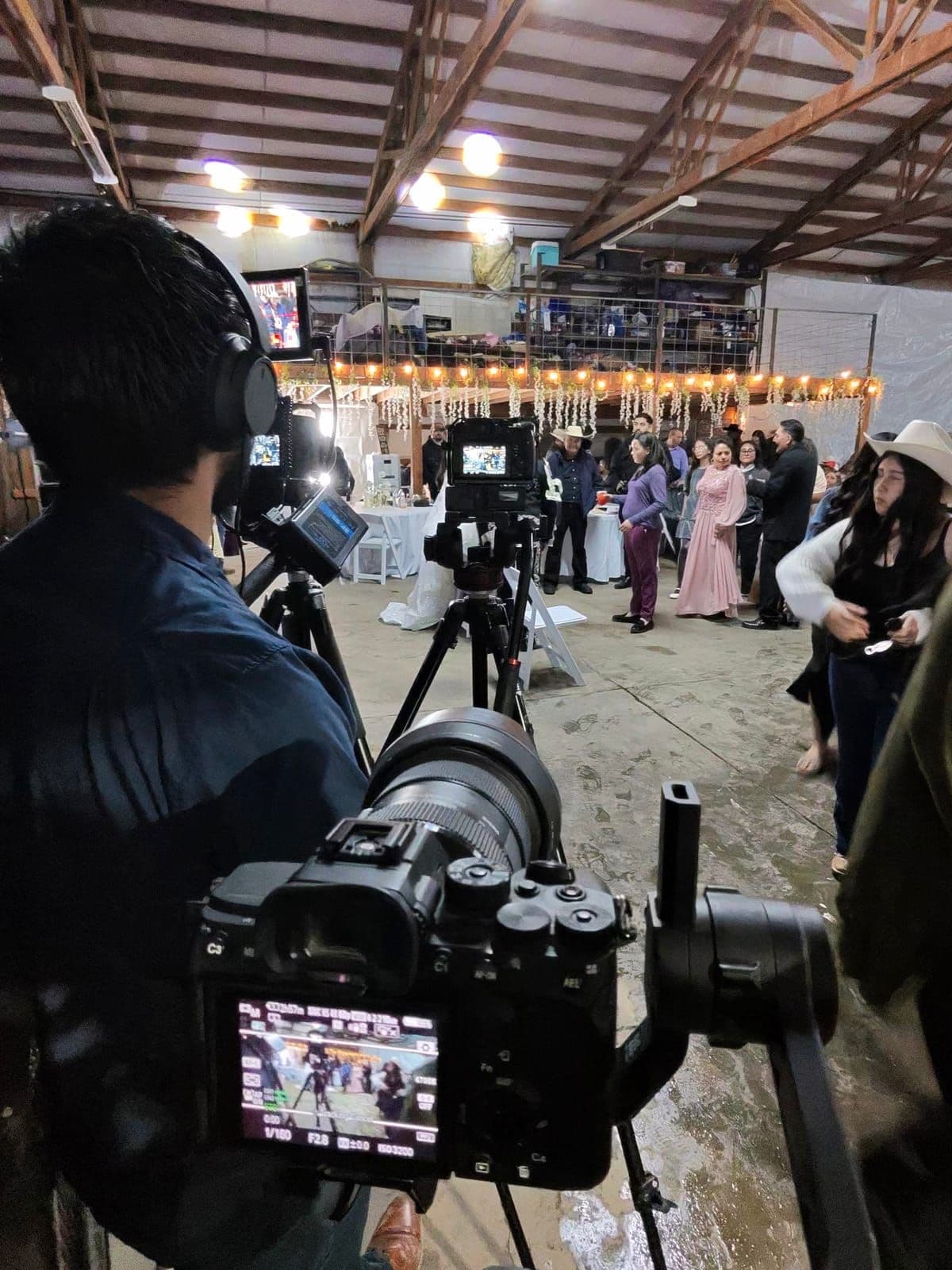
Graduation ceremonies move fast and crowds are dense, so camera placement needs to be decided early. Choose one angle for stage, one for reactions, and one for atmosphere whenever budget allows.
Schools can use the final video for parent communication, alumni pride, future enrollment, and social media. Families can use shorter edits for announcements, parties, and keepsake sharing.