
Advantages of one integrated team
Shared planning, synchronized timelines, and one point of communication reduce stress for hosts and families. When photo and video understand the same priorities, they can protect portraits, ceremony coverage, reception details, and speeches without competing for space.
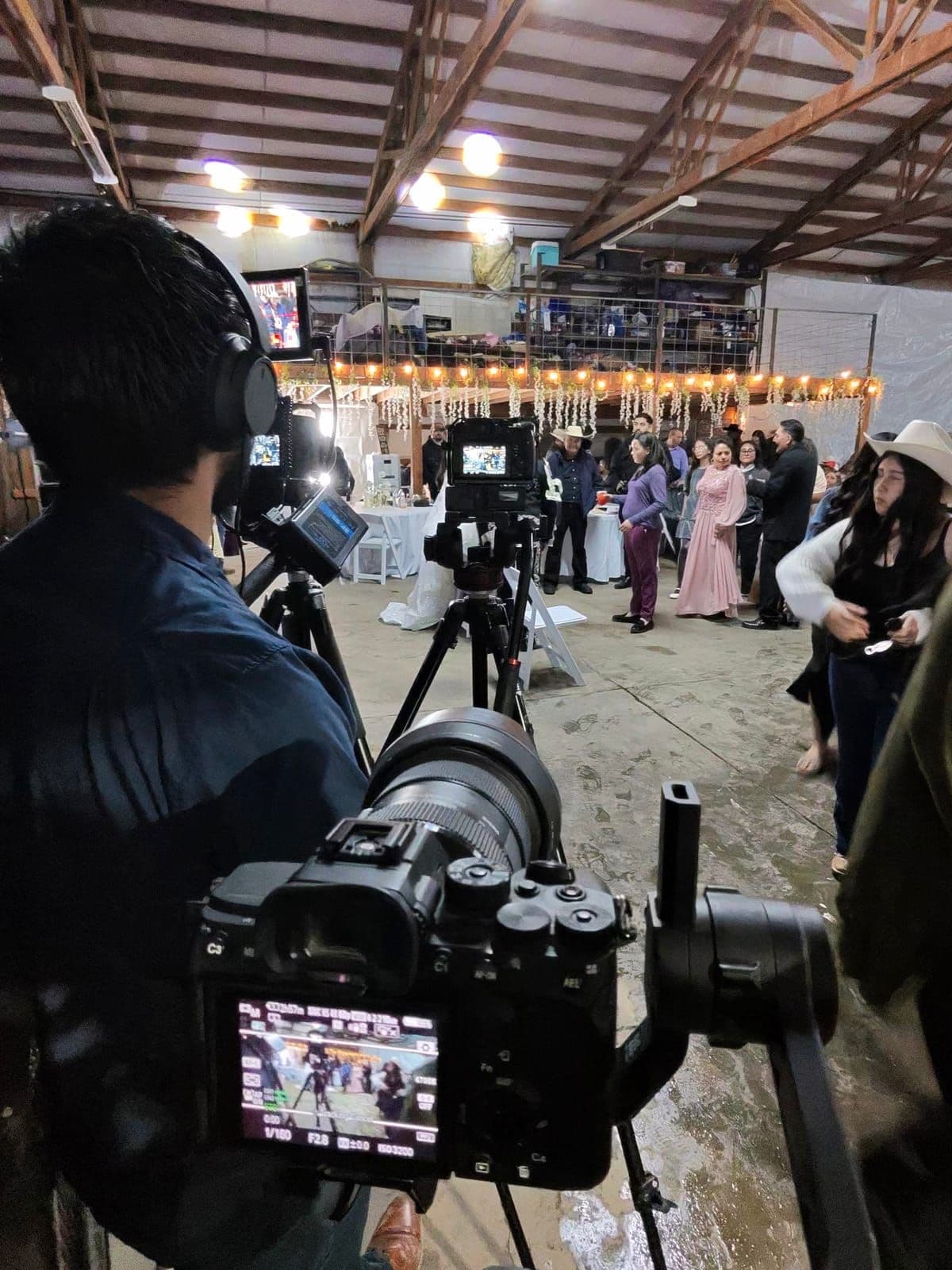
Coverage quality often improves when teams know each other's rhythm. The photographer can build a portrait flow that leaves room for motion, and the videographer can choose angles that do not block key still photos.
Where coordination matters most
Coordination matters during first look, ceremony, family formals, grand entrance, speeches, cake, first dance, parent dances, and the surprise dance. These moments happen once and need clear camera positions.
When separate teams can work
Separate vendors can still perform well if timeline ownership and communication standards are defined in advance. Everyone should receive the same final schedule, vendor contacts, venue rules, and shot priorities.
The risk is that each team may optimize for its own deliverable. If you hire separately, schedule a short coordination call before the event so the teams can decide who leads each moment and how they will avoid blocking each other.
How to choose the right option
Choose an integrated team if you want one creative direction, one timeline conversation, and a package built around both final galleries and films. It is especially helpful for quinceaneras, weddings with tight timelines, and events with many traditions.
Choose separate teams only when you already love each vendor's style and are willing to coordinate them. Either way, ask for full examples, not just highlight posts, so you understand the complete delivery.