
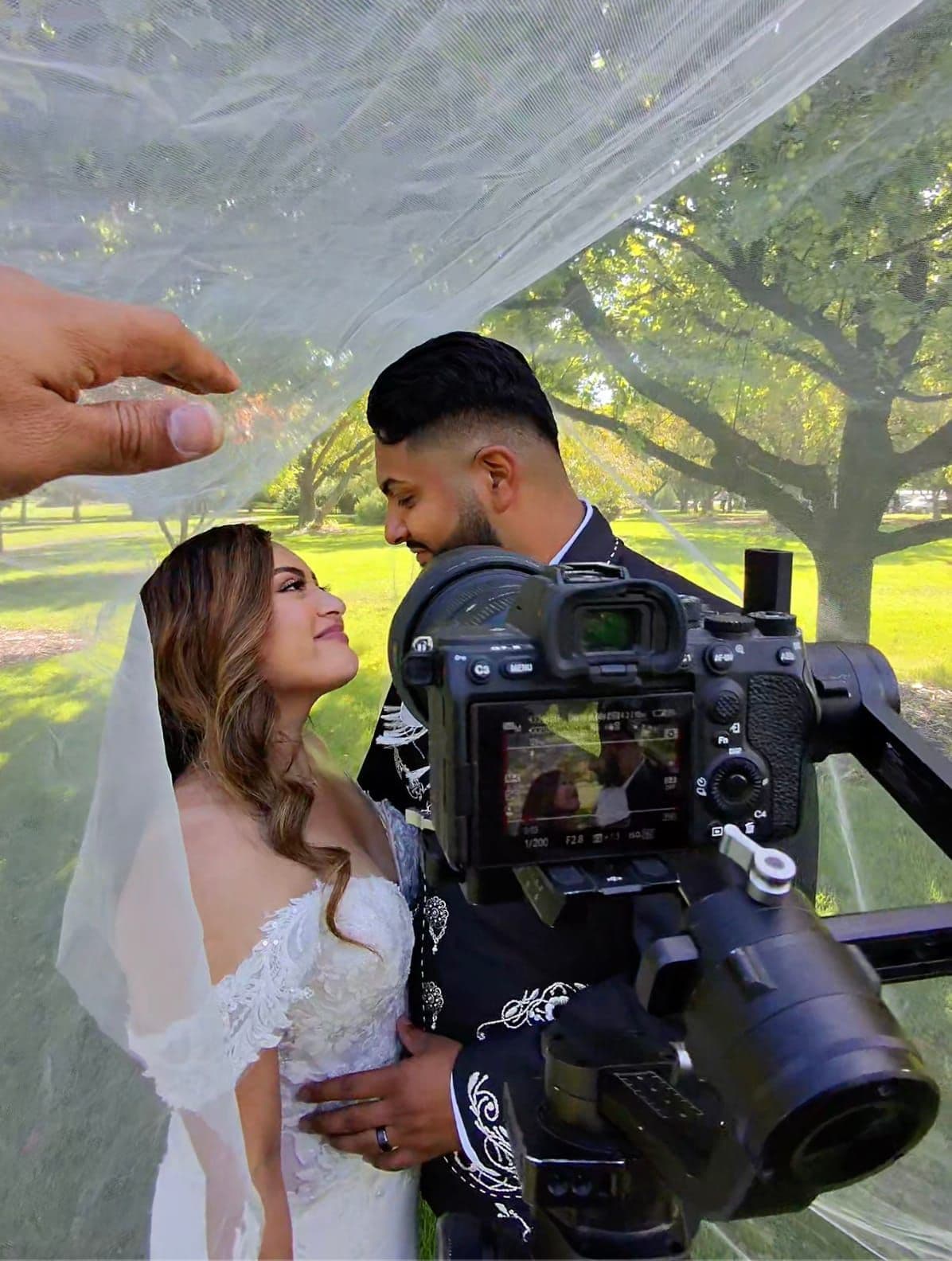
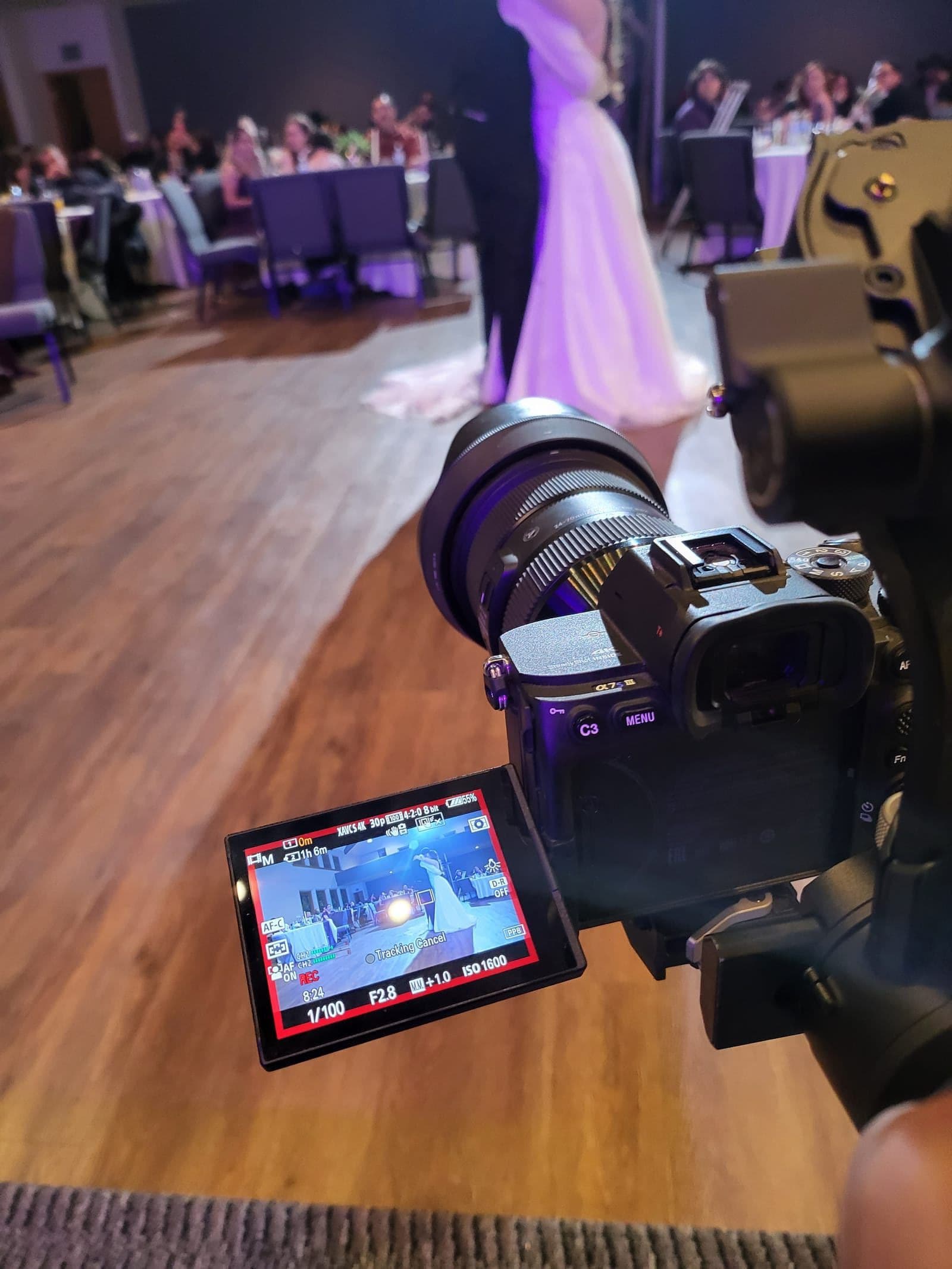
Block the day into capture zones
Separate your timeline into prep, first look or pre-ceremony portraits, ceremony, family formals, couple portraits, reception entrances, dinner, toasts, dances, and open dance floor. When each zone has a purpose, your video team can build a complete story instead of chasing the day reactively.
When one segment runs late, your team can quickly rebalance without sacrificing key coverage. For example, if family photos take longer than expected, a planned sunset portrait block can still protect the most cinematic couple footage.
Must-have timeline buffers
Add 10-15 minutes before ceremony, 10 minutes after ceremony for hugs and resets, 15-20 minutes before sunset portraits, and a few minutes before toasts so audio can be checked without pressure.
Coordinate with your vendors
Your planner, DJ, photographer, venue coordinator, and video team should all work from one final timeline. This prevents competing priorities and keeps important moments from happening before cameras and microphones are ready.
The DJ timeline matters as much as the planner timeline because reception moments are often triggered by the DJ. Confirm formal entrance order, blessing, toasts, cake, first dance, parent dances, bouquet, garter, and last dance.
A simple sample video timeline
For an eight-hour wedding, a clean structure might be: details and getting ready, first look or final prep, ceremony setup, ceremony, family formals, couple portraits, reception details, grand entrance, dinner, toasts, dances, and open dance floor. The exact times change by venue, but the order gives the film a natural rhythm.
If your ceremony and reception are far apart, add travel time twice: once for the drive and once for unloading and resetting cameras. That second buffer is easy to forget and very important for a calm reception start.