
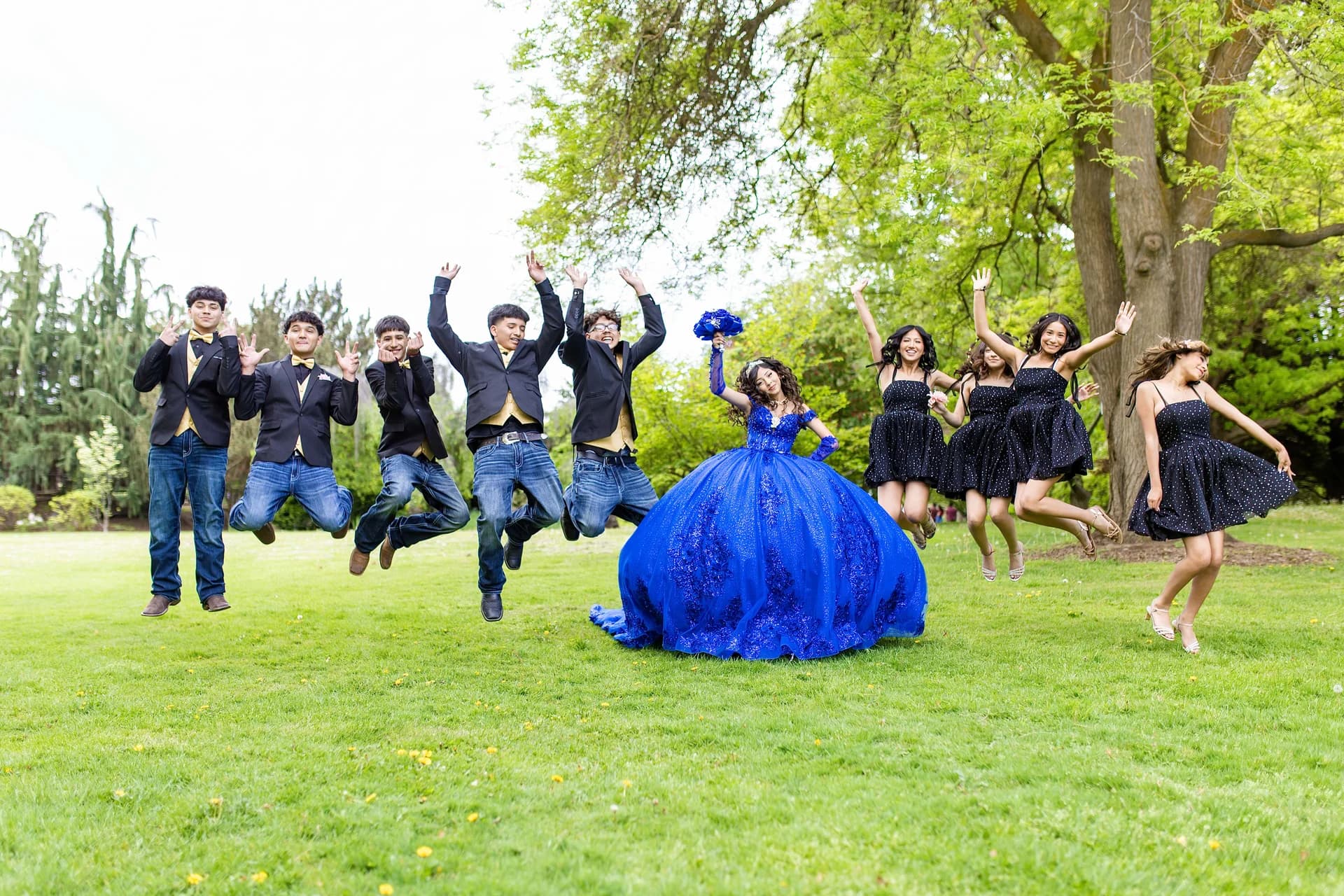
One coverage window, two complete productions
When a photo + video package includes eight, ten, or twelve hours, both teams are scheduled around the same event-day window. That keeps the timeline clear for the client and allows photography and videography to coordinate important moments. It does not mean the entire project takes only eight, ten, or twelve hours.
Photography and video create different final products from the same day. The photographer builds a finished image gallery. The video team builds a film from motion, live sound, music, speeches, and multiple camera angles. Their planning overlaps, but their equipment, creative decisions, file management, and editing continue on separate paths.
Before the event: coordinated planning and two gear systems
Combined coverage begins with meetings and timeline work. We identify family groups, traditions, surprises, ceremony rules, travel, portrait windows, sunset, reception lighting, and the moments each service must protect. The teams also decide how to share space so a camera angle does not block a photograph and a portrait setup works for both stills and motion.
Preparation includes two equipment workflows. Photography requires camera bodies, lenses, flashes, modifiers, batteries, and memory. Video adds stabilizers, tripods, microphones, audio recorders, continuous lighting, monitoring, and additional media. Everything must be selected, tested, charged, labeled, packed, and backed up for the specific locations.
During the event: collaboration without duplication
During the coverage window, both teams are working continuously but not doing the same job. The photographer watches for decisive expressions and creates complete still-image sequences. The videography team follows movement, records clean sound, maintains continuity, and gathers the visual and audio pieces needed to build a film.
Coordination matters during getting ready, ceremonies, portraits, entrances, dances, and speeches. A team that regularly works together can move efficiently, take turns directing, protect clean backgrounds, and avoid asking the client to repeat the same action separately for each camera.
Coverage hours are elapsed time, not total team hours
If one photographer and two videographers cover a ten-hour event, the client sees one ten-hour coverage window, but the team has already contributed 30 event-day labor hours. Preparation and post-production are added after that. This is why combined coverage cannot be valued as if one person worked for only the number printed on the package.
After the event: two post-production pipelines
Photography files are backed up, culled, color-corrected, cropped, selectively retouched, reviewed, exported, and organized into a gallery. A complete wedding or quinceanera gallery can require 18 to 28 hours after the event, depending on image volume, lighting changes, and included products.
Video files follow a separate workflow: multiple camera and audio sources are copied, backed up, synchronized, reviewed, edited, mixed, color-corrected, checked, rendered, uploaded, and delivered. Short films, extended films, ceremonies, speeches, social edits, and revisions each add their own decisions and quality-control passes.
What the full workload can look like
A combined project may include 2 to 4 hours of meetings and timeline planning, 3 to 5 hours of team equipment and logistics preparation, 16 to 30 or more event-day labor hours across the crew, 18 to 28 hours of photography post-production, and 30 to 40 hours of video post-production. The total often reaches 60 to 90 team hours and can exceed that for larger packages.
The value of a combined team is not only receiving two products. It is having one coordinated plan, fewer competing directions, consistent visual priorities, shared knowledge of the event, and professionals who understand how to protect both the photographs and the film.
Choosing the right photo + video coverage
Start with the moments you want preserved in both formats. Getting ready, ceremony, family portraits, the quinceanera court or wedding party, sunset, entrances, traditions, speeches, dances, and open celebration all take time. The right package gives both teams enough room to create intentionally without turning your event into a production set.